SPEAKERS AND TOPICS
10:30–12:10
The Case of Slovakia
Dismantling institutions: the case of the Slovak Arts Council | Robert Špotak and Adam Straka
Journalism in the face of electoral authoritarianism | Tomáš Madleňák
Discussion moderated by journalist Šarūnas Černiauskas
December 5th, FRIDAY
In their presentation Adam Straka and Róbert Špoták examine the ongoing cultural crisis in Slovakia, using the recent takeover of the Slovak Arts Council as a case study of political interference in publicly funded culture. It highlights how legislative changes, strategic personnel replacements and ideologically motivated decisions have been used to reshape cultural policy, and shows how similar mechanisms are emerging across other institutions. The talk also reflects on the responses of the cultural community through collective actions and emerging non-hierarchical civic platform Open Culture! which offers insight into resistance strategies in fragile democracies.
Adam Straka is a film theorist and distributor. Since 2019 he has been working as a strategic director at the film distribution company Film Expanded. He is a university lecturer at the Faculty of Film Studies of the Academy of Performing Arts in Bratislava. He is also a member of the coordination team of Open Culture!
Robert Špoták has been involved with the Slovak Arts Council—the main state-level funding body for arts and culture in Slovakia—since its founding in 2016, serving as its director for the past two years. He previously worked in event production and management.
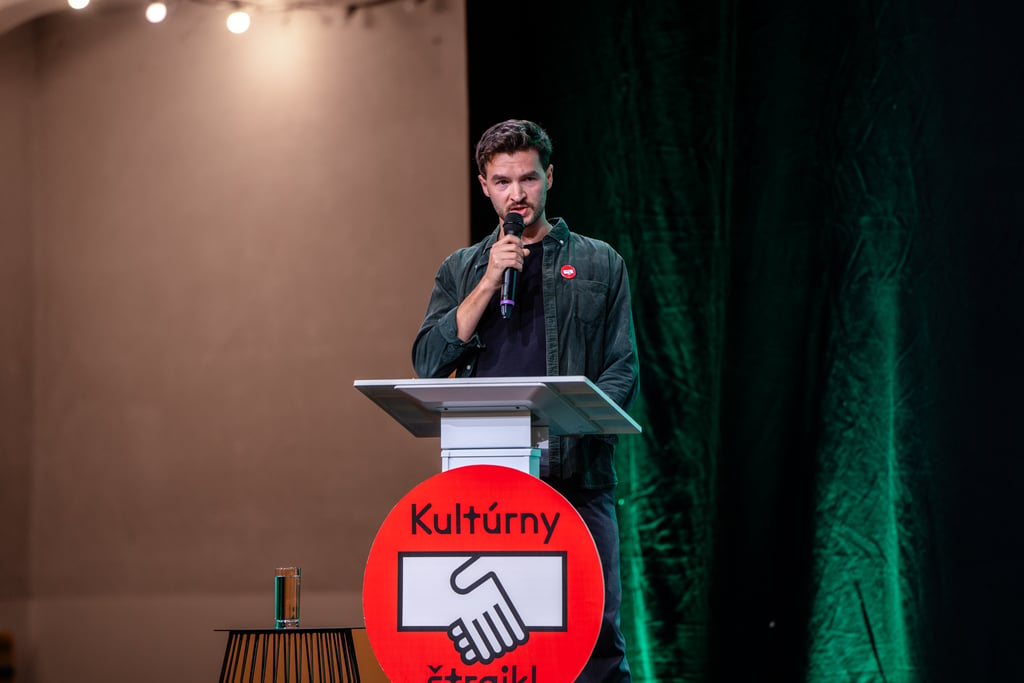
Adam Straka ir Robert Špoták
Dismantling institutions: the case of the Slovak Arts Council
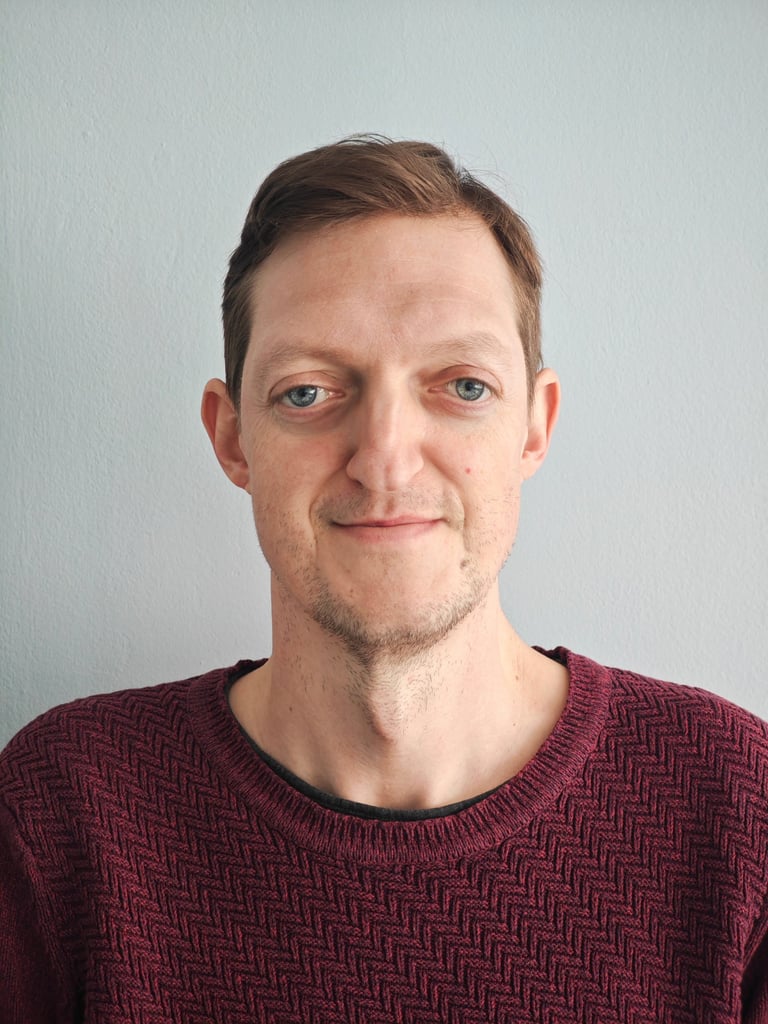
Modern autocracies do not imitate the totalitarian regimes of the 20th century. Instead, they tend to exist within a hollowed-out framework of democracy. Tomáš Madleňák will speak about the ways in which the Fico government in Slovakia attempts to strangle independent journalism, what kinds of outcomes hate speech against journalists has already yielded, and how it even indirectly led to murder. He will also discuss how, despite everything, independent journalism continues to survive even under these conditions.
Tomáš Madleňák has been a reporter for the Investigative Center of Ján Kuciak since 2020. He covered Ján Kuciak's murder trials and worked on Kočner's Library project. He was part of two award-winning investigative teams: in 2020, for a series on financial schemes of the oligarch Norbert Bödör, and in 2023, for an international investigation into Russian espionage and SIGINT operations in the EU. Currently, he focuses on international crime, money laundering, and corruption cases, continuing the legacy of the murdered Slovak journalist Ján Kuciak.
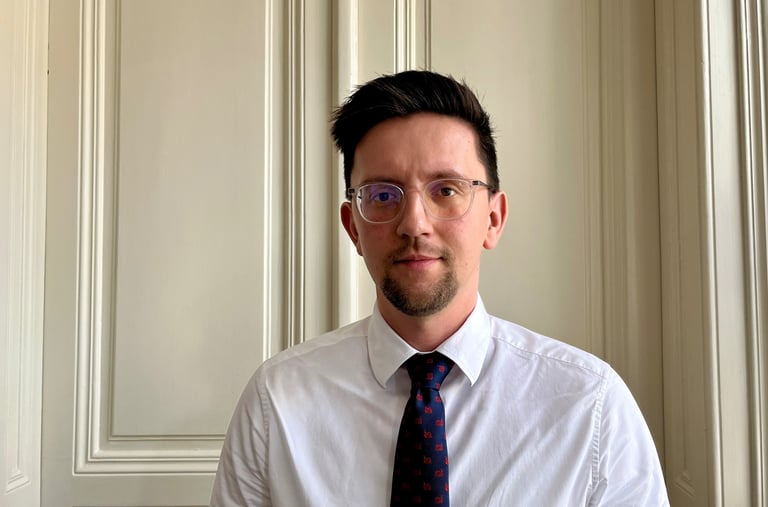
Tomáš Madleňák
Journalism in the face of electoral authoritarianism
12:40-14:15
The Case of Hungary
The birth and functioning of the Hungarian illiberalism | Dániel Bartha
From resistance to normalization and back | Gergely Nagy
Censorship and responses | Andrea Tompa
Discussion moderated by journalist Šarūnas Černiauskas
Viktor Orbán built his illiberal system after 2010 by rewriting the constitution, reshaping election laws, weakening the independence of the courts and the media, and placing loyalists in key state institutions. Public resources and state contracts were increasingly directed toward business allies, while government messaging relied on nationalism, culture-war narratives, and constant claims of foreign threats. Step by step, the space for opposition, independent media, and civil society became narrower.
Dániel Bartha has been serving as the President and Director of the Centre for Euro-Atlantic Integration and Democracy (CEID), a non-profit and non-partisan think tank based in Budapest, since 2014. Dániel is a regular lecturer and speaker on Central European foreign and security policy and works as a consultant for international companies and donors.
Dániel Bartha
The Orbán method: the birth and rise of illiberalism in Hungary
VIn Hungary, 15 years of illiberalism have completely weakened the immune system of culture. Yet after 2010, artists, creators, and cultural workers showed serious resistance in the early years, until a kind of gray zone of normalization began to spread. In the meantime, however, "infrastructures of dissent" were created, even if they were fragile. What will remain of them when the illiberal system comes to an end?
Gergely Nagy (1969), journalist, editor, author. Lives and works in Budapest. Currently working for Qubit.hu. He currently is a PhD fellow at ELTE University in Budapest. He is one of the founders of the OFF-Biennále Budapest, which has become the largest civil contemporary art initiative in the region. Gergely contributed to several in depth reports dealing with the state of artistic freedom and freedom of speech in Hungary. He is a member of the Critical Culturegroup, which organises discursive events on the state of contemporary culture in Hungary.
Gergely Nagy
From resistance to normalization and back
An overview of Hungarian censorship - soft and self censorship - in the past 15 years in the cultural field. Responses given by artistic community and civil society. Context and consequences.
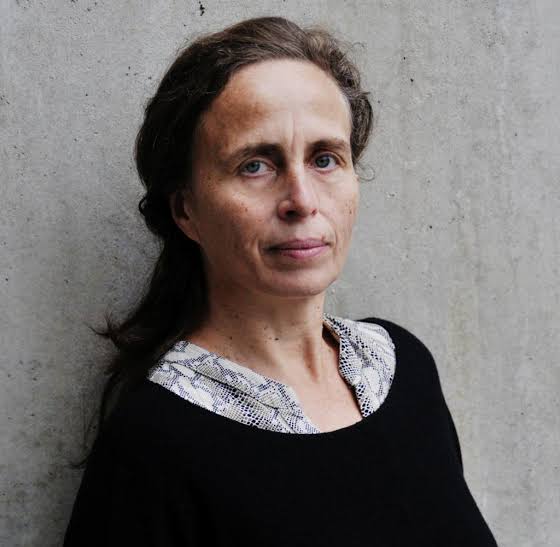
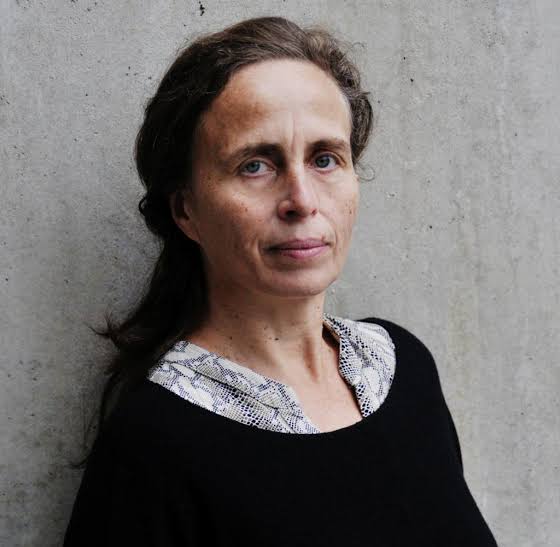
Andrea Tompa is an award-winning Hungarian novelist, academic and theatre critic based in Budapest. She is former editor of the leading theatre journal Színház (Theatre) and is a member of the prestigious Széchenyi Literary and Arts Academy. After studying Russian literature in Budapest, she embarked on a career publishing theatre criticism and opinion pieces, and lecturing on performance in her city of birth Cluj/Kolozsvár in Romania.
Andrea Tompa
Censorship and Responses
15:15–17:00
The Case of Moldova
Serving Moscow: Russian influence in Moldova | Măriuța Nistor
How Moldova (re)draws its path toward EU membership | Vlada Ciobanu
The Film Center as the political lifeline of the film community | Valentina Iusuphodjaev
Discussion moderated by political scientist Vytis Jurkonis
Why Russia wants to influence the political situation in Moldova? How do they do it? What were it’s achievements and how the journalism community, civil society, and authorities mobilized, managing to counter the Russian Federation?
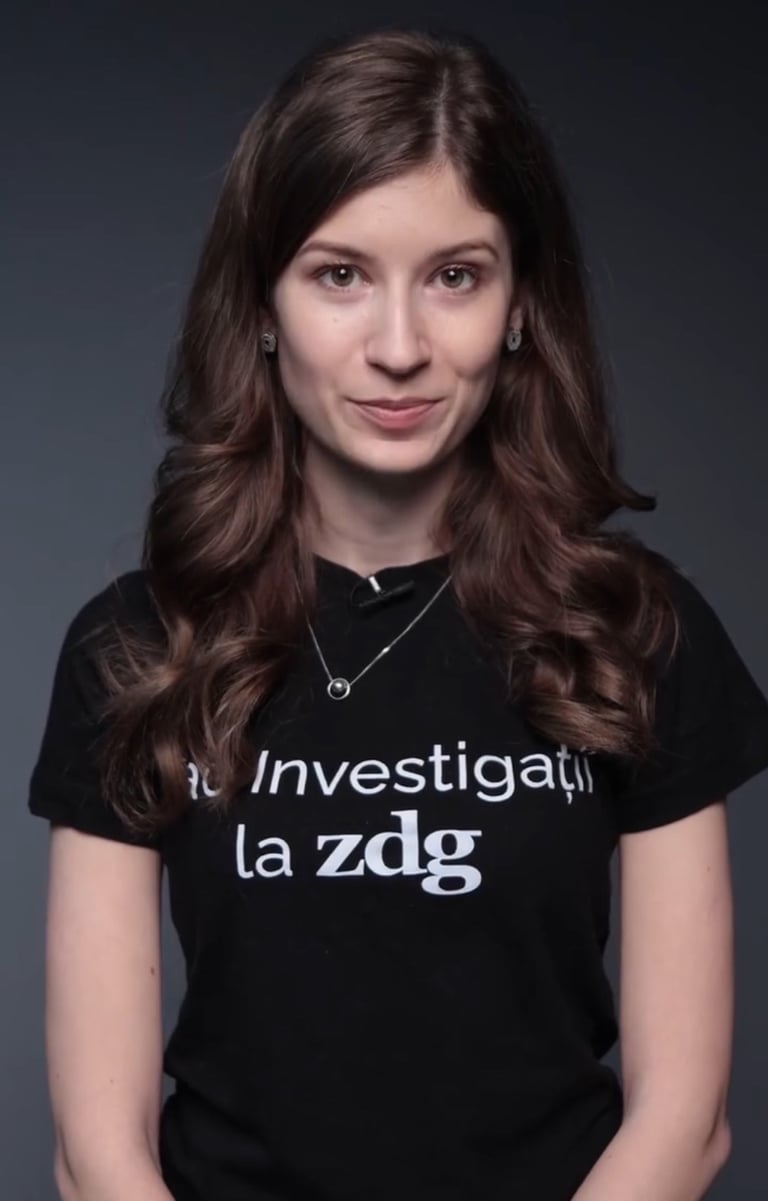
Măriuța Nistor is a journalist at the investigative newspaper “Ziarul de Gardă”. She is the co-author of two undercover investigations exposing the Russian Federation’s interference in Moldova’s elections, carried out together with journalist Natalia Zaharescu. The investigation “Kremlin’s Digital Army” was released before the 2025 parliamentary elections and demonstrates how the Russian Federation built a social media disinformation network to spread pro-Russian narratives, with participants receiving monthly payments for their involvement.
Măriuța Nistor
Serving Moscow: Russian influence in Moldova
The talk is examining how legal reforms are being translated into real improvements in everyday life, how social fragmentation creates vulnerability to manipulation, and why true transparency and citizen participation are essential in countering polarisation and disinformation.
Vlada Ciobanu is the Program Director at the Center for Policies and Reforms, where she works to advance transparency and public participation. Her efforts span from grassroots initiatives – supporting activists across the country in mobilising their communities – to the national level, contributing to legislative proposals and equipping public servants with the skills required for open and participatory governance. Vlada’s research interests include public spaces, participatory methods, socialist-era architecture, and urban development.
Vlada Ciobanu
How Moldova is (re)defining itself on its path to the EU
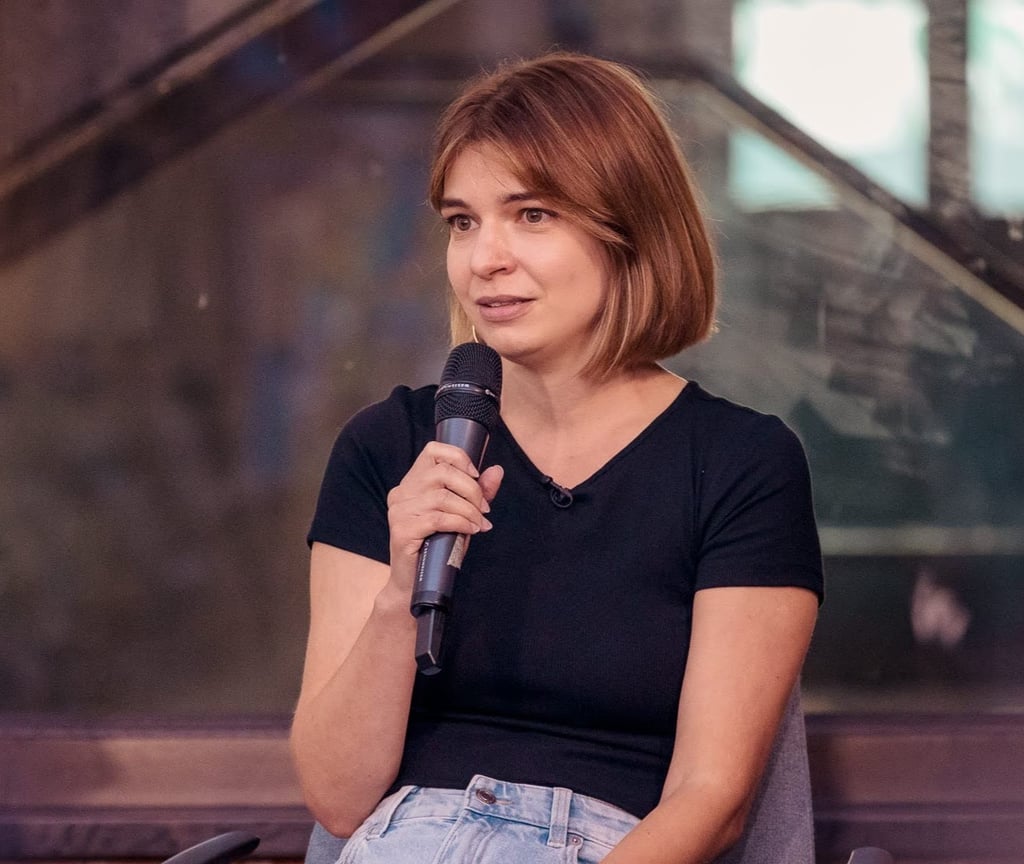
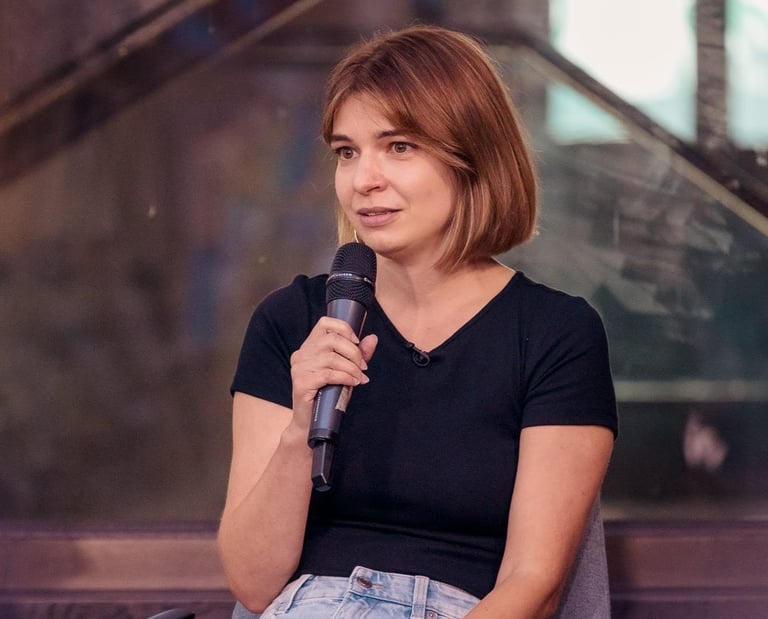
A brief overview of Moldova’s film landscape as part of national culture and society:
key facts about Moldova and its national cinema — its challenges, impact, and current trends. Is the film industry in Moldova primarily a form of entertainment, an economic driver, or a matter of national security?
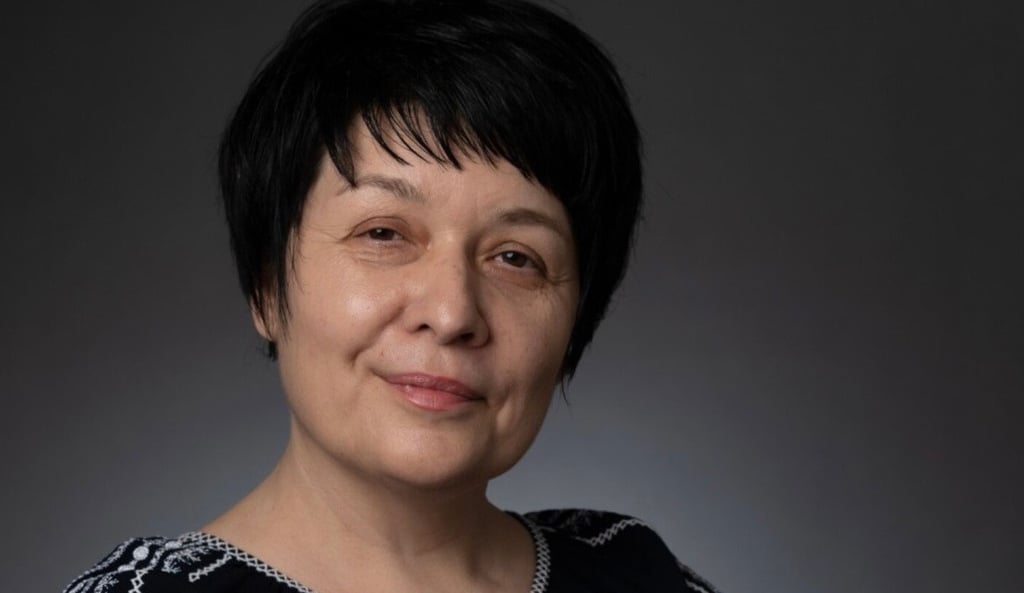
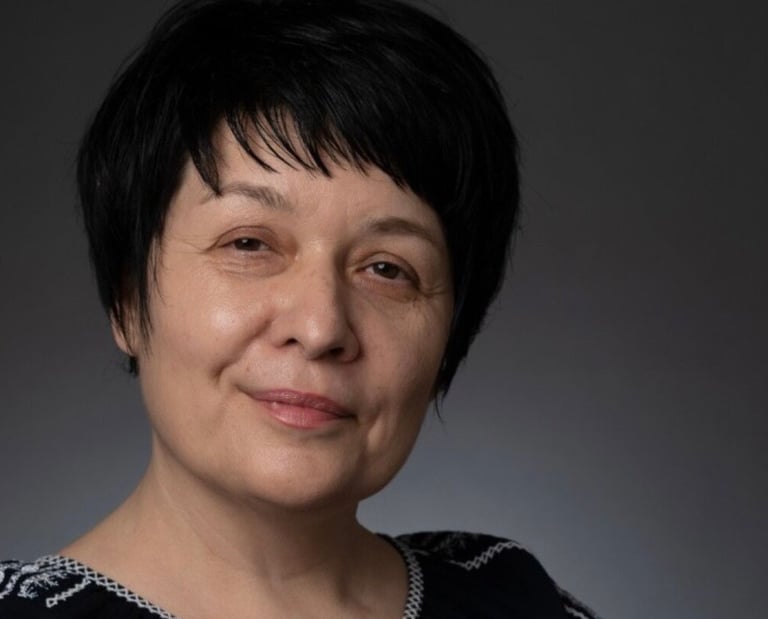
Valentina Iusuphodjaev has been an independent video and film producer since 2005, successfully producing many films. In 2021 she became the director of the National Film Center in Moldova implementing multiple reforms such as modifying rules for financing with a focus on transparency, coproduction and quality of the projects, introduced pitch and internationalized jury committees. Due to her initiative the new version of European Coproduction Convention was ratified as well as European Convention on Audiovisual Heritage.
Valentina Iusuphodjaev
Moldova's film landscape as part of national culture and society
17:40–19:20
The Case of Georgia
Georgia’s protests – decades of civic resistance | Nata Dzvelishvili
What methods does “Georgian Dream” use? | Zaal Buba Tchkuaseli
How did we get from Georgian Cinema Under Threat to Georgia Under Threat | Tekla Machavariani
Discussion moderated by film director Artūras Jevdokimovas
Why do Georgians keep returning to the streets? What lessons has been learnt from decades of protest? And how can we recognize the moment when real democracy starts slipping into imitation? The presentation explores Georgia’s turbulent protest journey — a true civic roller coaster. Through the lens of today’s unfolding events, the presentation will examine how resistance has evolved, what continues to fuel it, and what the dynamics of the current movement reveal about the country’s democratic trajectory.
Nata Dzvelishvili is CEO of Indigo Magazine, headquartered in Tbilisi, Georgia. She has more than 10 years of experience in media management and has led numerous initiatives aimed at strengthening media ethics and literacy, enhancing access to public spaces, and enriching the country’s cultural environment. Nata Dzvelishvili collaborates with a wide range of local and international organizations, for which she prepares analytical reports and studies, delivers lectures and other educational programs.
Nata Dzvelishvili
Georgian Protests – decades of civic resistance
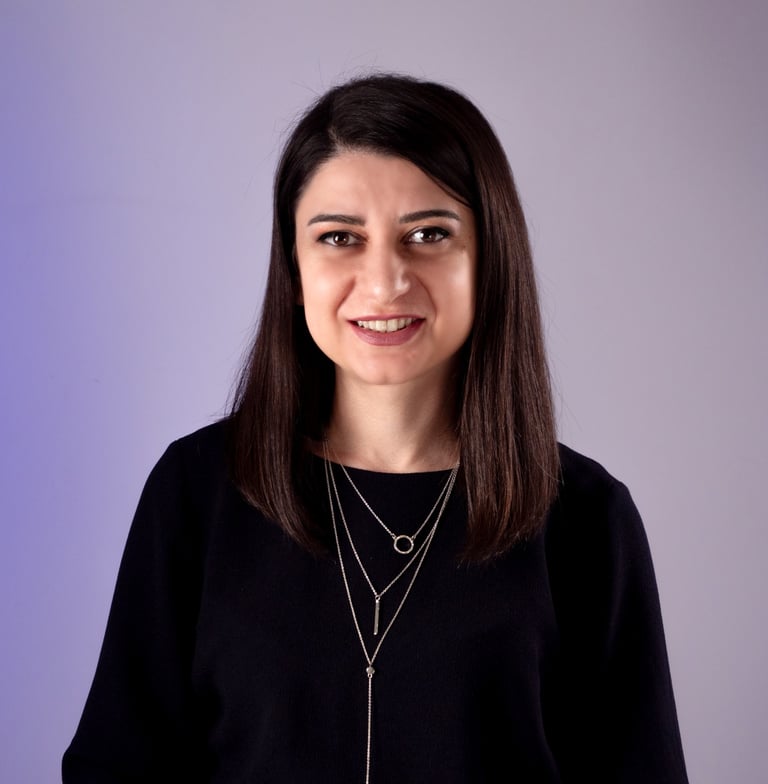
This talk is an overview of how geopolitics shapes Georgia’s foreign policy, along with a socio-cultural and popular-culture perspective on its impact on the country’s civil service. The talk will draw on insights from Tchkuaseli’s experience in journalism, the Ministry of Foreign Affairs, and the Civil Service Bureau. It will also explore comparative aspects between Georgia and Lithuania, as well as Georgia’s current alignment with the Russian Federation.
Zaal Tchkuaseli is a journalist by education. He served at the Ministry of Foreign Affairs of Georgia (2013–2019) and at the Civil Service Bureau of Georgia (2019–2020). He is the author of numerous military analysis articles published in various news outlets, the editor of the Georgian military blog MILITARIUM, and a long-time contributor to the Lithuanian military encyclopedia Military-today.com (2009–2021).
Zaal Tchkuaseli
The methods of “Georgian Dream”
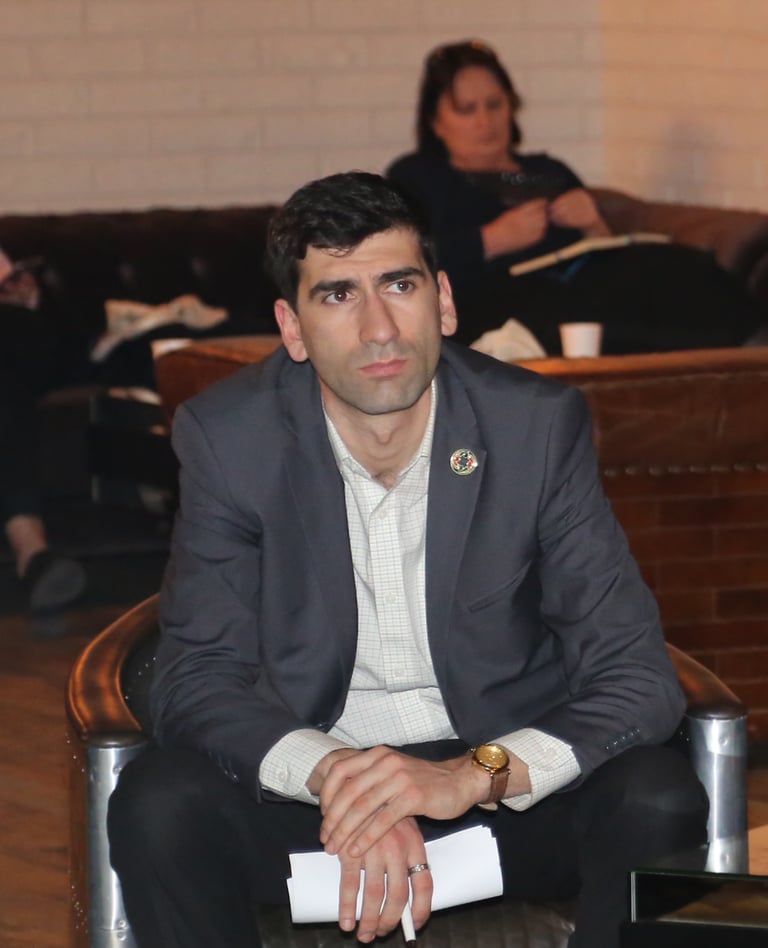
In the talk Tekla will present the story of the cinema and art resistance movement that began almost three years ago, before the major protests and the official shift toward autocracy. She will describe how filmmakers and artists first recognized the signs of democratic backsliding, how they organized in response, and how their creative work became a crucial form of resistance. The talk will also address how dictatorships often begin by silencing culture—targeting artists, shutting down critical voices, and attempting to control the narrative—and how this pattern has unfolded in Georgia.
Tekla Machavariani is a Georgian producer and founder of NUSHI FILM. A member of DOCA and the Georgian Film Institute, she was selected as an Emerging Producer in 2020. Her credits include the Golden Leopard–winning feature Holy Electricity, Drawing Lots (Rotterdam), Comets (Toronto Film Festival), and Before Father Gets Back (Sheffield). Through educational programs, her company also supports emerging Georgian filmmakers.
Tekla Machavariani
How did we get from Georgian Cinema Under Threat to Georgia Under Threat
10:10–11:30
The Lithuanian Cultural Assembly: causes and lessons
Dagnė Vildžiūnaitė, Karolis Kaupinis and Gediminas Užkuraitis
The Museum of the Second World War in Poland: the intersection of history and politics
Paweł Machcewicz (Poland)
The story of "Unified Estonia" or how to win enemies and influence people
Eero Epner (Estonia)
"Violence is Our Priority" — the surprisingly obvious reasons behind Latvian populism
Alise Zariņa (Latvia)
December 6th, SATURDAY
The Museum of the Second World War in Gdańsk is the largest historical museum in Poland. It also turned out to be one the most important battlefields in the realm of historical memory and politics of history. The Law and Justice government first tried to prevent it to be opened to the public, then, after taking over control of the museum in 2017, introduced politically motivated changes to its core exhibition.
Prof. dr. hab. Paweł Machcewicz is a historian and a professor at the Institute of Political Studies of the Polish Academy of Sciences in Warsaw. From 2008 to 2017, he was the founding
director of the Museum of the Second World War in Gdańsk. His main areas of research are the Second World War, the Cold War, communist regimes in East-Central Europe and contemporary politics of history.
Prof. habil. dr. Paweł Machcewicz
The Museum of the Second World War in Gdańsk. The Crossroads of History and Politics
In this presentation, Eero will discuss the experience of the theatre group NO99 and their performative political project "Unified Estonia", which took place in 2010's. He will reflect on how this artistic action revealed mechanisms of populism and exposed the ways cultural tools can influence political imagination and civic engagement.
Eero Epner is a theatre dramaturg, journalist and art historian. As a theatre dramaturg he has been working in Theatre NO99 (2004-2018) and in various other theaters.
Eero Epner
The story of the "Unified Estonia" or how to win enemies and influence people
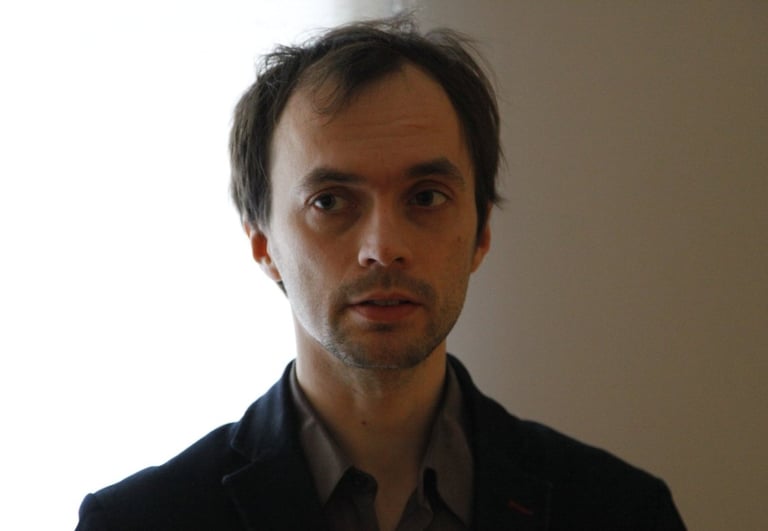
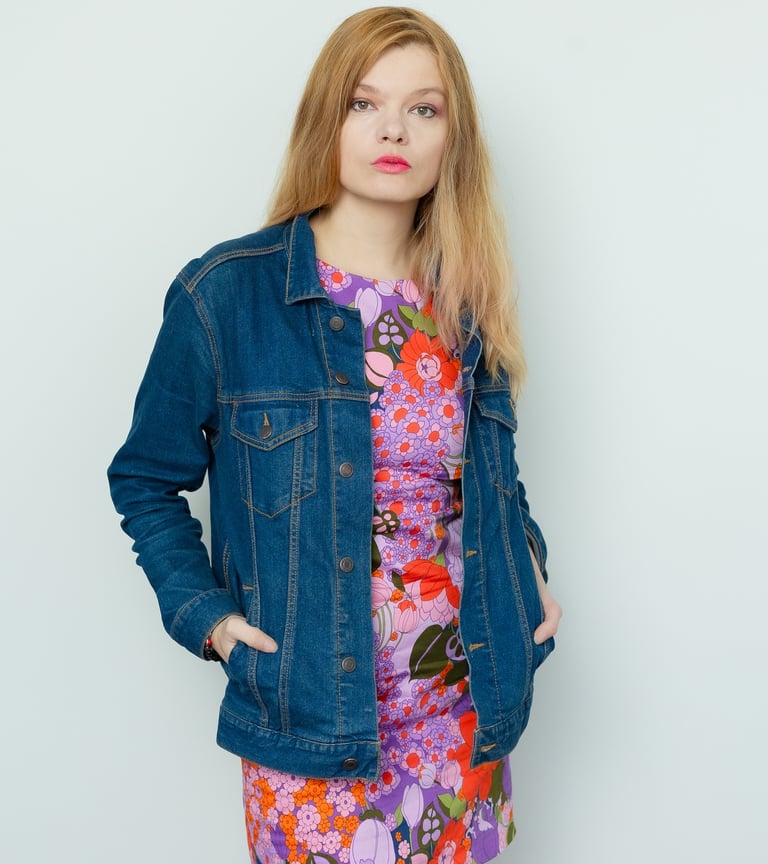
Alise Zariņa discusses the political processes that led to the unsuccessful (though, unfortunately, only postponed) attempt to withdraw from the Istanbul Convention, and analyzes the important role that women’s rights played in these political maneuvers, as well as how society responded to them. Alise offers a subjective view of the current political situation in Latvia and the directions the country’s main parties tend to pursue, and she examines how the upcoming elections look from today’s perspective. The talk also analyzes the most common rhetoric used by problematic opinion-makers and politicians, and how it is directly influenced by the least-favored neighboring country.
Alise Zariņa is a Latvian filmmaker, writer, and activist. As one of the new voices in contemporary Latvian cinema, she is known for tackling complex subjects. Her outspoken public positions and activism have been recognized with a Latvian PEN award, and she has been actively organizing and participating in protest groups focused on human rights, especially women’s rights and environmental issues. She is currently working on her third feature film, Not My War, a fiction project about the year 2022 in Latvia and how it reshaped people’s relationship with the country and the meaning of patriotism.
Alise Zariņa
"Violence is Our Priority" — The Surprisingly Obvious Reasons Behind Latvian Populism
11:50-13:50
The anarchitectural chain: cultural tactics in wartime Ukraine
Maria Noshchenko (Ukraine)
Using the vernacular – faking heritage as a tool of propaganda
Adrian Stoicescu (Romania)
The collapse of social democracy and the rise of populism in the Czech Republic
Jakub Bakule (Czech Republic)
Using the case of the Pavilion of Culture, a Kyiv-based institution in the state of establishment, Maria Noshchenko will speak about cultural tactics in wartime Ukraine, where fundraising culture, self-proclaimed spaces, situational practices, and productive anarchism all collide in the age of stable instability.
Maria Noshchenko is a researcher and curator based in Kyiv, Ukraine, currently a part of independent architecture studio ФОРМА and the Pavilion of Culture. In her research practice, she focuses on digital humanities and political image.
Marija Noščenko
Anarchitectural Chain
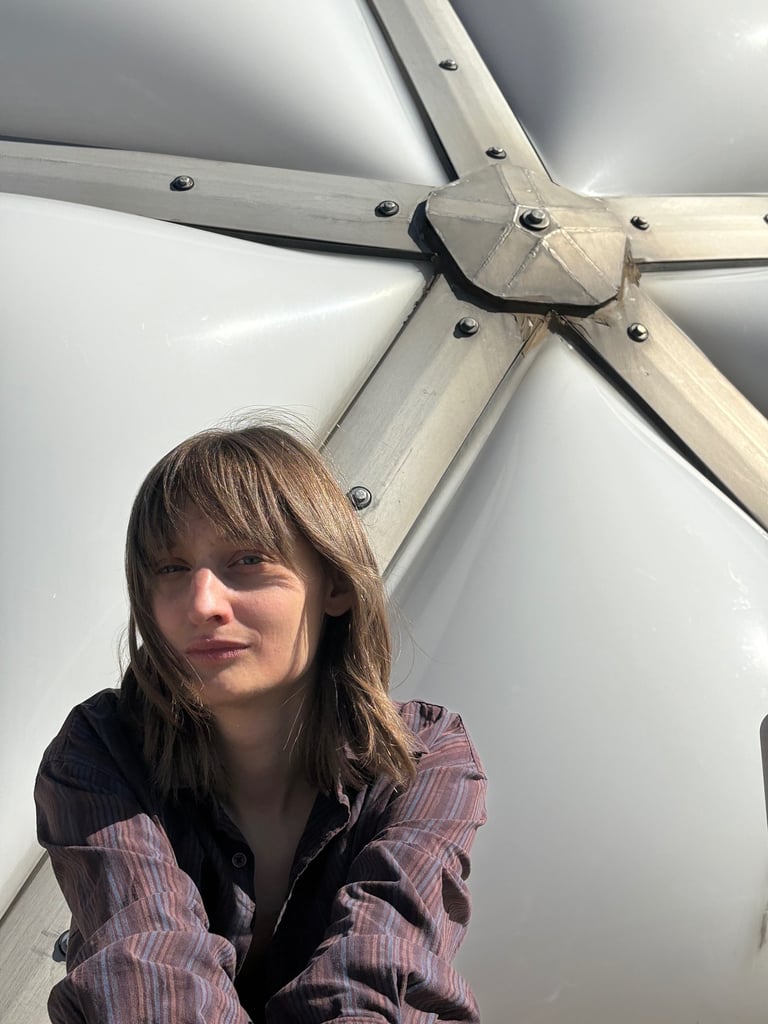
In recent years, Romania has seen its vernacular culture used in ways that extend beyond traditional practice. The far-right movement, now represented as a parliamentary party, heavily employs folk costumes and customs in its visual messaging to gain electoral advantage. Yet this use of the vernacular is often manufactured, serving mainly as a backdrop for promoting an agenda that has little to do with authentic folk culture. This presentation will highlight several examples of this constructed folk imagery, which has become a common strategy for forging emotional connections with supporters who embrace far-right narratives.
Dr. Adrian Stoicescu is an Associate Professor of Ethnology at the University of
Bucharest, where he teaches courses on folk culture and literature, but also on digital
anthropology. He also acts for a second term in the National Committee of
Safeguarding the Intangible Cultural Heritage with the Romanian Ministry of Culture.
Dr. Adrian Stoicescu
Using the vernacular – faking heritage as a tool of propaganda
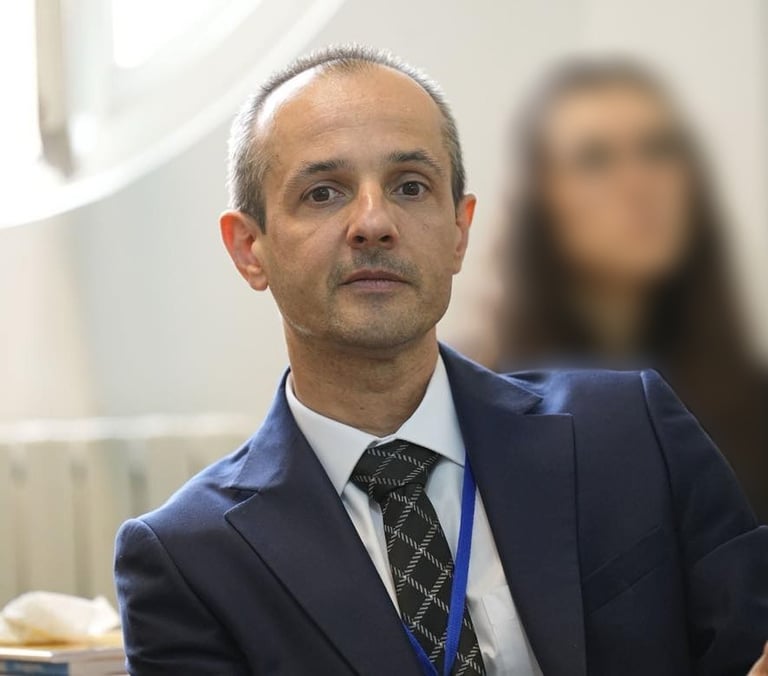
The decline of Social Democracy and rise of populism in Czechia - Social Democrats were once a dominant party of Czech politics. Now they are non-existent. Even though the majority of the Czech voters are left leaning Social Democrats fell prey to the populist politics. The talk will explain a mismatch between the party and its past voters, how Social Democrats missed an opportunity to ally with the cultural sector and offer other lessons from the Czech experience.
After completing his doctorate in political science, Jakub Bakule spent some time at the Ministry of Culture, where he was the main author of the State Cultural Policy 2021-2025 and the cultural component of the National Recovery Plan worth approximately EUR 230 million. He then worked as a freelance analyst and project manager. He has two cats and is president of the Cultural and Creative Federation, which lobbies for the development of culture in the Czech Republic.balsų praradimą, praleistos galimybės bendradarbiauti su kultūros sektoriumi ir kitos pamokos, kurias galima išmokti iš Čekijos politinės patirties.
Jakub Bakule
The collapse of social democracy and the rise of populism in the Czech Republic
14:50-15:20
Student protests and four wandering decades of Serbia’s democratic transition (1988–2025)
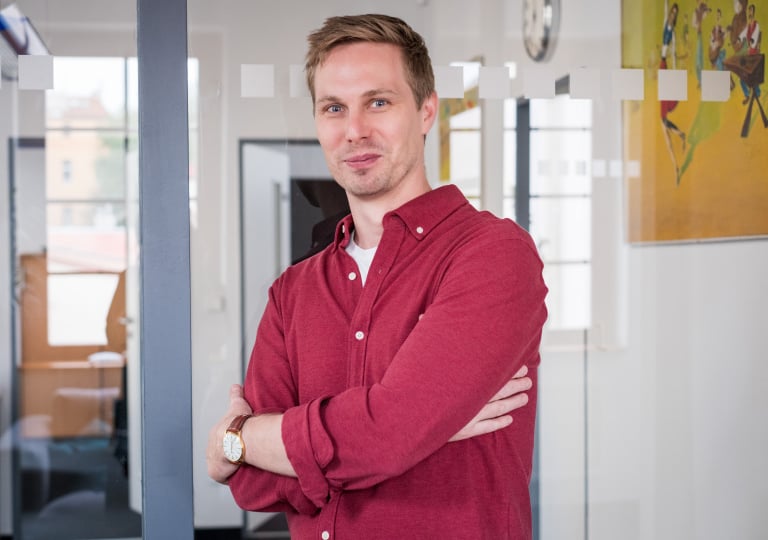
Boris Varga (Serbia)
So Far So Good: systemic problems and resilience of democracy in Slovenia, 2008-2025
Luka Lisjak (Slovenia)
What culture has to do with it?
Milijenka Buljevic (Croatia)
How can art institutions build resilience against budget cuts?
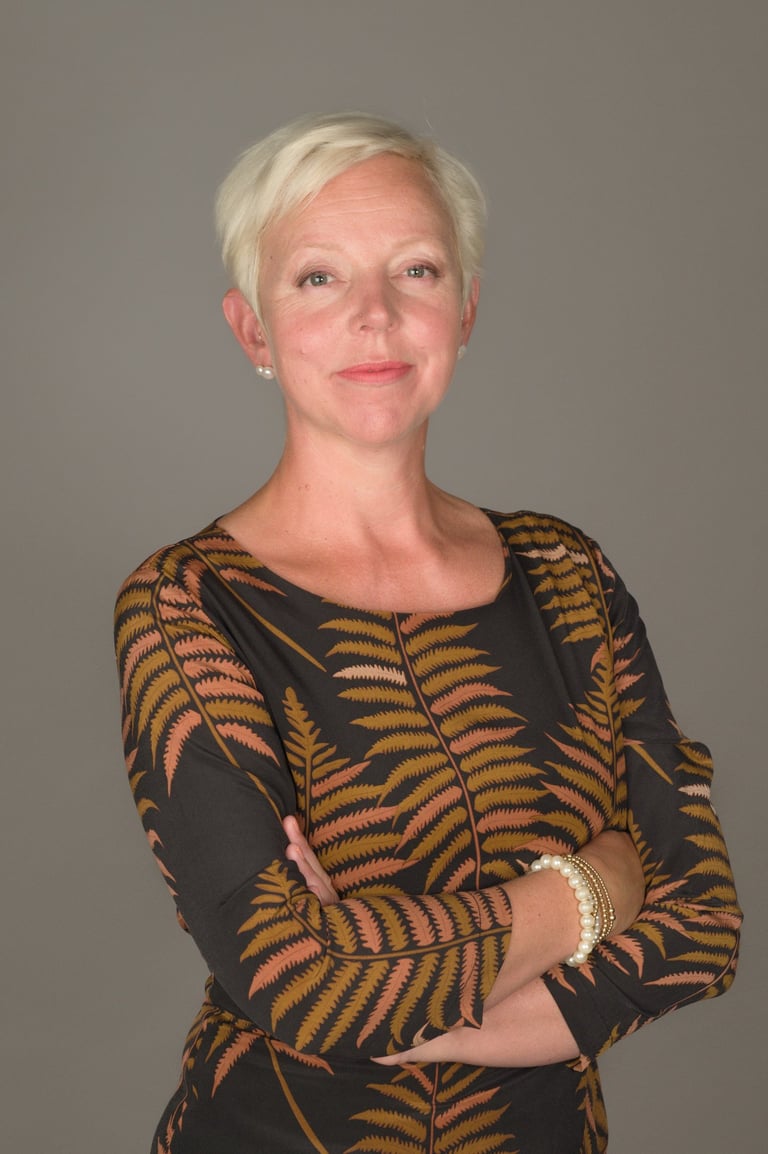
Kirsten van den Hul (Netherlands)
In Serbia, student and civic protests against the authoritarian rule of President Aleksandar Vučić and his corrupt inner circle have been taking place for more than a year. The immediate trigger was the collapse of the canopy at the recently renovated railway station in Novi Sad, where 16 people were killed. The regime’s brutality toward demonstrators indicates that there is no willingness for a peaceful transfer of power.
Boris Varga, politologist and journalist. He earned his PhD at the University of Belgrade, at the Faculty of Political Sciences (2012) in Serbia. He is an author and a long-term associate of several international and regional media (BBC Ukrainian, Al Jazeera Balkans, Vreme, Autonomija) and non-governmental organizations (Helsinki Committee for Human Rights in Serbia, Forum for International Relations, Independent Association of Journalists of Vojvodina). In journalism and research, he mainly deals with international topics, the region of the republics of the former Yugoslavia and the former Soviet Union.
Boris Varga
Student protests and four decades of Serbia's wandering through transition (1988-2025)
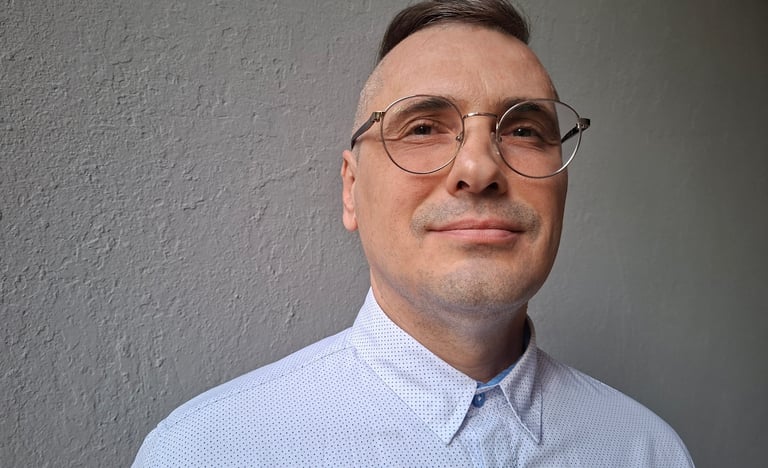
An overview of how Slovenian society has managed to avoid sliding into authoritarianism, a threat emerging from various parts of the political spectrum. The talk traces developments from 2011 to the present day.
Luka Lisjak Gabrijelčič is a Slovenian historian, essayist, translator, and political commentator. He is the editor of the Slovenian cultural magazine Razpotja and a member of the Editorial Board of Eurozine, the European network of cultural journals. He is the co-author of the monograph A History of Modern Political Thought in East Central Europe, 1918–2018 (OUP, 2018, with Balázs Trencsényi et al.).
Luka Lisjak Gabrijelčič
So Far So Good: systemic problems and the resilience of democracy in Slovenia, 2008–2025
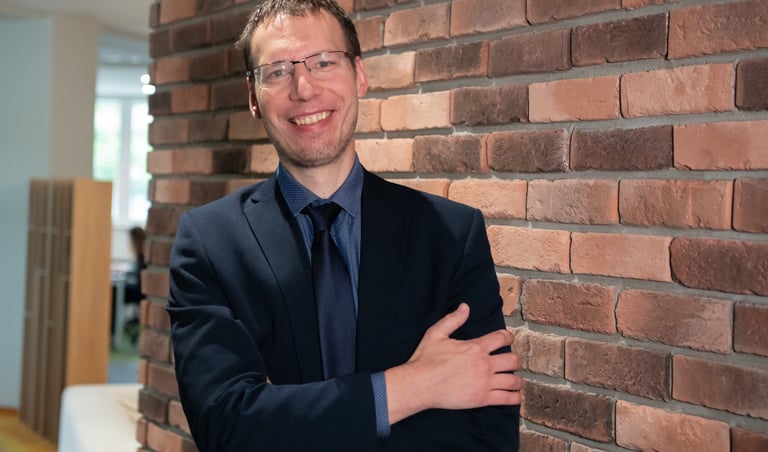
Culture is not an ivory tower disconnected from the political dynamics in the society. For better or worse, it is the terrain in which social values are reflected. While culture goes mostly unnoticed in a free society, it is rarely unseen in an authoritarian one. Similar could be stated for civil society. Three episodes from recent Croatian history outline the historical trajectory of crawling fascism in Croatia that is currently encouraged by a wider political environment and its dynamics.
Miljenka Buljević is a cultural worker and translator based in Zagreb, Croatia. She is a co-founder of the Association for promotion of cultures Kulturtreger and the literary club Booksa in Zagreb. She was the chairwoman of Operation City, an association of 35 Zagreb organizations engaged in independent culture and youth activities, as well as the chairwoman of the national network of independent cultural organizations in Croatia, Clubture Network. She is a member of the Board of Trustees of Eurozine, a network of European cultural journals.
Miljenka Buljević
What culture has to do with it?
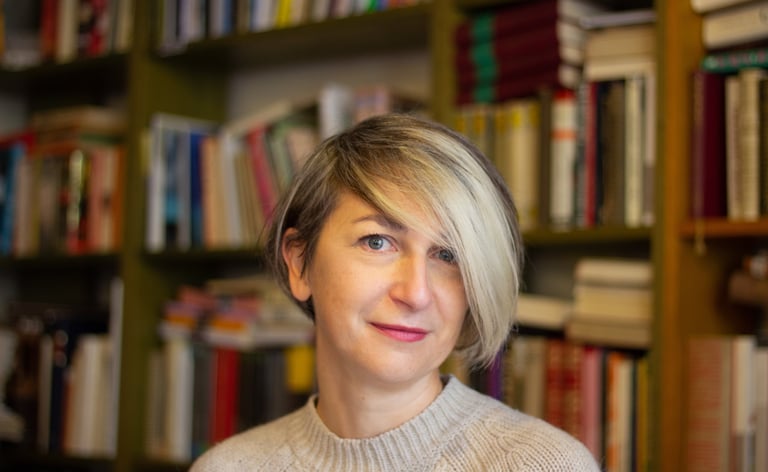
In a conversation with Kirsten van den Hul, who is concluding her work at DutchCulture, we will explore the topic of cooperation among arts and cultural institutions under severe budget cuts and the building of operational networks. We will also talk about the importance of international cultural projects for cities and states, and how many resources activism requires. The conversation will be led by Rupert Art Centre curator Monika Lipšic.
Kirsten van den Hul is director of DutchCulture, the network and knowledge organisation for international cultural cooperation, and President of EUNIC, the EU National Institutes of Culture. Before joining DutchCulture, she worked as an independent consultant through her own company, The Change Agent, working on different transition projects, mainly in the public sector. Previously, she was a member of parliament, where she focused on culture, education, gender equality, foreign trade and development. She lived, studied and worked in Tunisia and has extensive work experience in Eastern Europe and the MENA region. Kirsten also wrote a book, called (S)hevolution.
Kirsten van den Hul
How can art institutions build resilience against budget cuts?